Preventative Maintenance for Critical Healthcare Equipment: Avoiding ICU Downtime –
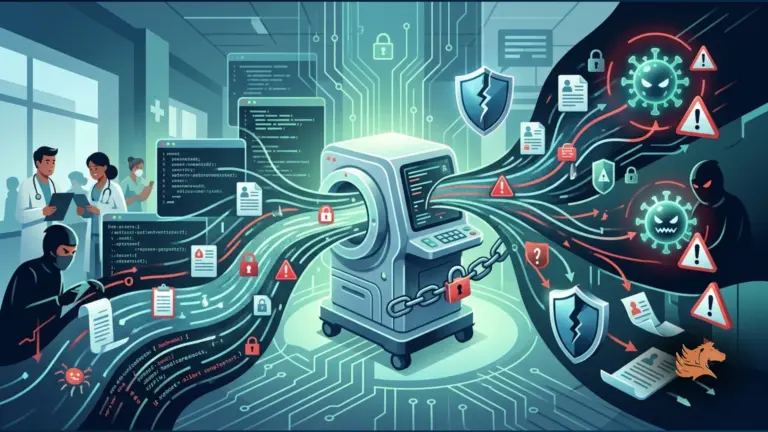
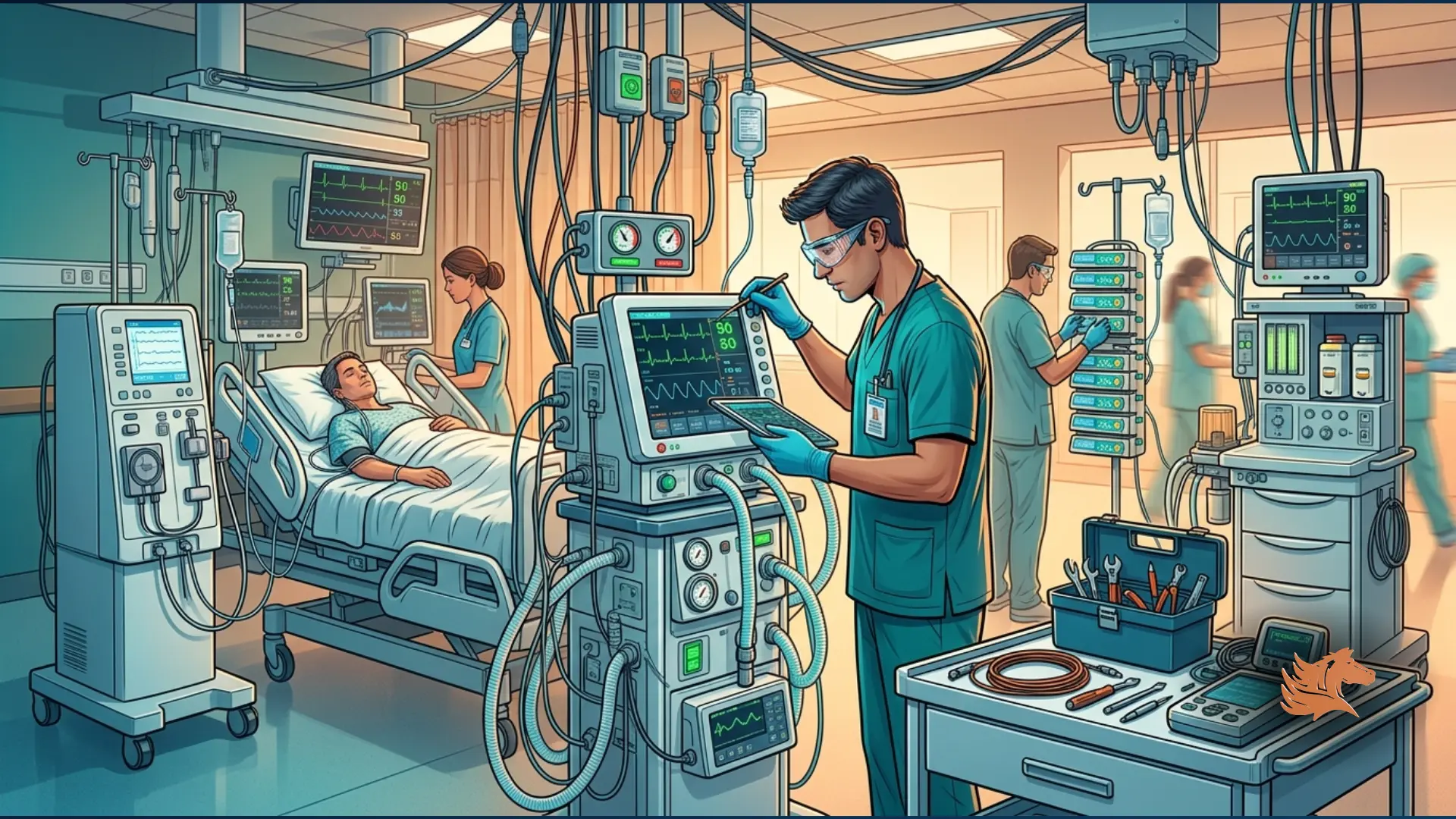
A ventilator that fails mid shift. An infusion pump that stalls during a critical dosage window. A patient monitor that goes dark without warning. In an Intensive Care Unit, equipment downtime isn’t an inconvenience, it’s a direct threat to patient safety, and in the worst cases, a matter of life and death.
Yet many hospitals still run maintenance reactively, fixing equipment only after it fails. This approach might work for a break room refrigerator. It doesn’t work for a defibrillator.
Preventative maintenance (PM) flips this model. Instead of waiting for critical care equipment to fail, biomedical and facilities teams service it on a planned schedule catching wear, calibration drift, and component fatigue before they become emergencies. Done well, PM doesn’t just reduce downtime. It becomes a core part of ICU patient safety strategy.
This guide breaks down what a strong preventative maintenance workflow looks like for critical healthcare equipment, why reactive maintenance fails in high acuity settings, and how a CMMS (Computerized Maintenance Management System) like AssetPegasus helps hospitals build one.
Why ICU Equipment Downtime Is a Different Kind of Risk
Downtime in a manufacturing plant costs money. Downtime in an ICU costs something far more valuable: time-sensitive patient care.
A few things make critical care equipment uniquely unforgiving:
- No redundancy buffer. Many ICUs run equipment at or near capacity. A single ventilator or dialysis machine going offline can mean a patient transfer, a delayed procedure, or a scramble for backup units.
- Regulatory exposure. Equipment failures tied to missed maintenance can trigger Joint Commission citations, FDA reporting obligations, and liability exposure — on top of the clinical risk.
- Compounding failure risk. Equipment that isn’t maintained doesn’t just fail — it fails unpredictably, often during high-load moments like a code or a surge in admissions, when the equipment is working hardest and the margin for error is smallest.
- Patient trust. Equipment failure during active care erodes confidence not just in the device, but in the facility.
Reactive maintenance treats every failure as a surprise. Preventative maintenance treats failure as a predictable, preventable event — because in most cases, it is.
The Core Components of a Preventative Maintenance Workflow
A mature PM program for critical healthcare equipment isn’t a single checklist — it’s a system with several interlocking parts.
1. Asset Criticality Classification
Not all equipment carries the same risk profile. A hospital-wide PM program should start by classifying assets by clinical criticality:
- Life-support and life-sustaining equipment (ventilators, dialysis machines, infusion pumps) — highest priority, shortest inspection intervals
- Diagnostic and monitoring equipment (patient monitors, imaging systems) — high priority
- Support equipment (sterilizers, HVAC systems serving clean rooms) — moderate priority
This classification determines inspection frequency, spare parts stocking, and escalation protocols when maintenance is missed or delayed.
2. Manufacturer Specified Maintenance Schedules
Every piece of regulated medical equipment comes with manufacturer-recommended maintenance intervals — often tied to usage hours, calibration cycles, or fixed time periods. A compliant PM workflow builds these schedules directly into a tracking system rather than relying on spreadsheets or staff memory.
3. Automated Scheduling and Alerts
Manual tracking doesn’t scale past a handful of devices, and ICUs often manage hundreds of regulated assets. Automated PM scheduling with alerts sent to the responsible technician before a service window opens – closes the gap between “scheduled” and “actually completed.”
4. Work Order Standardization
Every PM task should generate a structured work order: what was inspected, what was replaced, calibration results, technician sign-off, and any follow up actions. Standardized work orders create the audit trail regulators and accreditation bodies expect.
5. Downtime and Failure Tracking
A strong PM workflow doesn’t just prevent failures it learns from the ones that slip through. Tracking mean time between failures (MTBF) and mean time to repair (MTTR) by asset type helps teams spot equipment that needs more frequent servicing or replacement.
6. Compliance Documentation
Joint Commission, CMS, and FDA all expect documented evidence of maintenance activity. A digital, timestamped maintenance history not a paper binder is what makes audits fast instead of stressful.
Reactive vs. Preventative Maintenance: The Real Cost Comparison
|
Reactive Maintenance |
Preventative Maintenance |
|
|
When service happens |
After failure |
On a scheduled basis |
|
Patient safety risk |
High failures occur during use |
Low — issues caught before use |
|
Cost per repair |
Higher (emergency labor, expedited parts) |
Lower (planned labor, standard parts) |
|
Compliance risk |
High gaps are hard to explain |
Low — documented, auditable history |
|
Equipment lifespan |
Shortened by unaddressed wear |
Extended through routine servicing |
|
Staff workload |
Unpredictable, disruptive |
Predictable, plannable |
The financial case alone is compelling — industry studies consistently show planned maintenance costs a fraction of emergency repairs. But in an ICU, the clinical case is the one that matters most.
How a CMMS Powers Preventative Maintenance in Healthcare
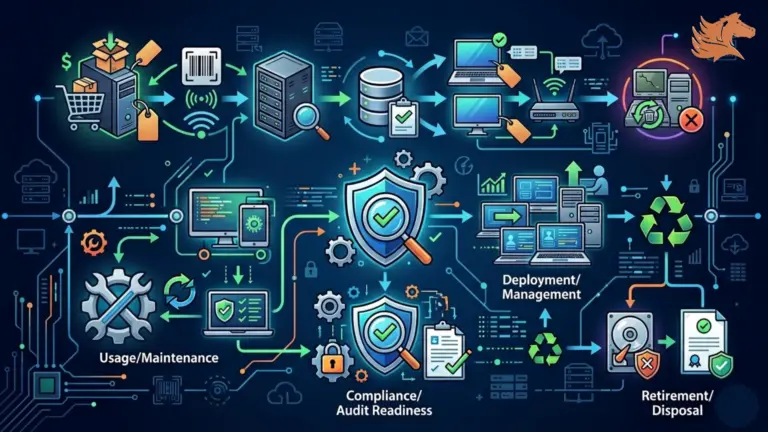
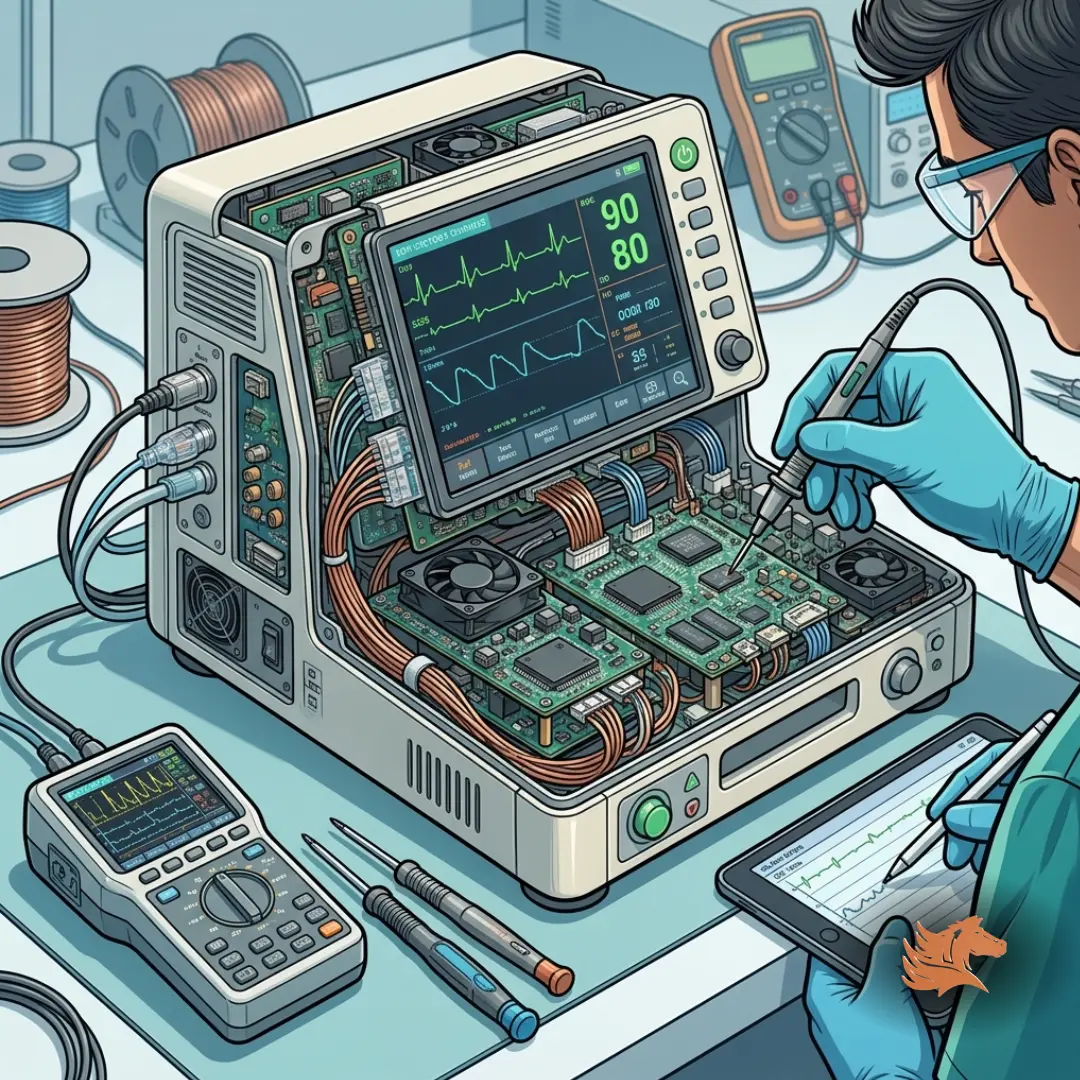
Spreadsheets and paper logs break down quickly once a facility manages more than a few dozen critical assets. A Computerized Maintenance Management System (CMMS) like AssetPegasus gives biomedical engineering and facilities teams the infrastructure to run PM at scale:
- Centralized asset registry — every device, its service history, warranty status, and manufacturer specs in one place
- Automated PM scheduling — recurring work orders generated automatically based on time, usage, or calibration intervals
- Mobile work order access — technicians complete inspections and log results from the equipment itself, not a desk terminal
- Real time alerts — notifications when a PM task is due, overdue, or when an asset shows a pattern of recurring issues
- Audit ready reporting — instantly exportable maintenance histories for Joint Commission surveys or internal compliance reviews
- Downtime analytics — dashboards showing which equipment categories are driving the most unplanned downtime, so teams can act before the next failure
The goal isn’t just fewer breakdowns. It’s a system where maintenance is planned, documented, and defensible — freeing clinical staff to focus on patients instead of equipment uncertainty.
Building Your PM Program: A Practical Starting Point
If your facility is still largely reactive, here’s a realistic path to a preventative model:
- Audit your critical equipment inventory. You can’t schedule maintenance on assets you haven’t fully catalogued.
- Classify by criticality. Start PM scheduling with life-support equipment first.
- Digitize manufacturer maintenance requirements. Pull service intervals from equipment manuals into your CMMS.
- Automate scheduling and alerts. Remove the dependency on manual tracking.
- Track and review downtime data monthly. Use it to refine schedules and flag equipment nearing end-of-life.
- Close the compliance loop. Ensure every completed PM task generates documentation ready for audit.
None of these steps require a full department overhaul on day one, most hospitals phase this in by asset class, starting with the highest risk ICU equipment.
FAQ
ICU equipment downtime isn’t inevitable, it’s usually the result of maintenance that happened too late, or not at all. A structured preventative maintenance workflow, backed by a CMMS built for healthcare environments, turns equipment reliability from a source of anxiety into a managed, auditable process.
For hospitals evaluating their maintenance strategy, the question isn’t whether preventative maintenance is worth the investment. It’s how much longer they can afford to run critical care equipment without it.
📜
🗓️