
Poor Asset Management Increases Operating Costs – Most businesses don’t lose money in one big, obvious event. They lose it in hundreds of small, invisible ways — an unused software license renewed on autopilot, a machine repaired instead of replaced at the right time, a laptop nobody remembers issuing. None of it shows up as a single line item labeled “waste.” It just shows up as an operating budget that keeps creeping up, year after year, with no clear explanation.
That’s the real cost of poor asset management. It’s not a crisis. It’s a slow leak.
The Hidden Price of Not Knowing What You Own
Ask most operations or IT leaders how many assets their company owns — laptops, machines, software seats, vehicles, tools — and you’ll get an estimate, not a number. That gap between “roughly how many” and “exactly how many” is where operating costs quietly balloon.
Without a centralized system, organizations typically don’t know:
- Which software licenses are still active but unused
- Which hardware is sitting idle in a storeroom instead of being redeployed
- Which equipment is approaching end of warranty and needs a replacement decision
- Which assets are duplicated across departments because nobody could find the original
Each of these gaps has a dollar value attached to it. Individually they look small. Added up across an entire fleet of IT and physical assets, they represent a meaningful chunk of avoidable spend.
Where the Money Actually Leaks
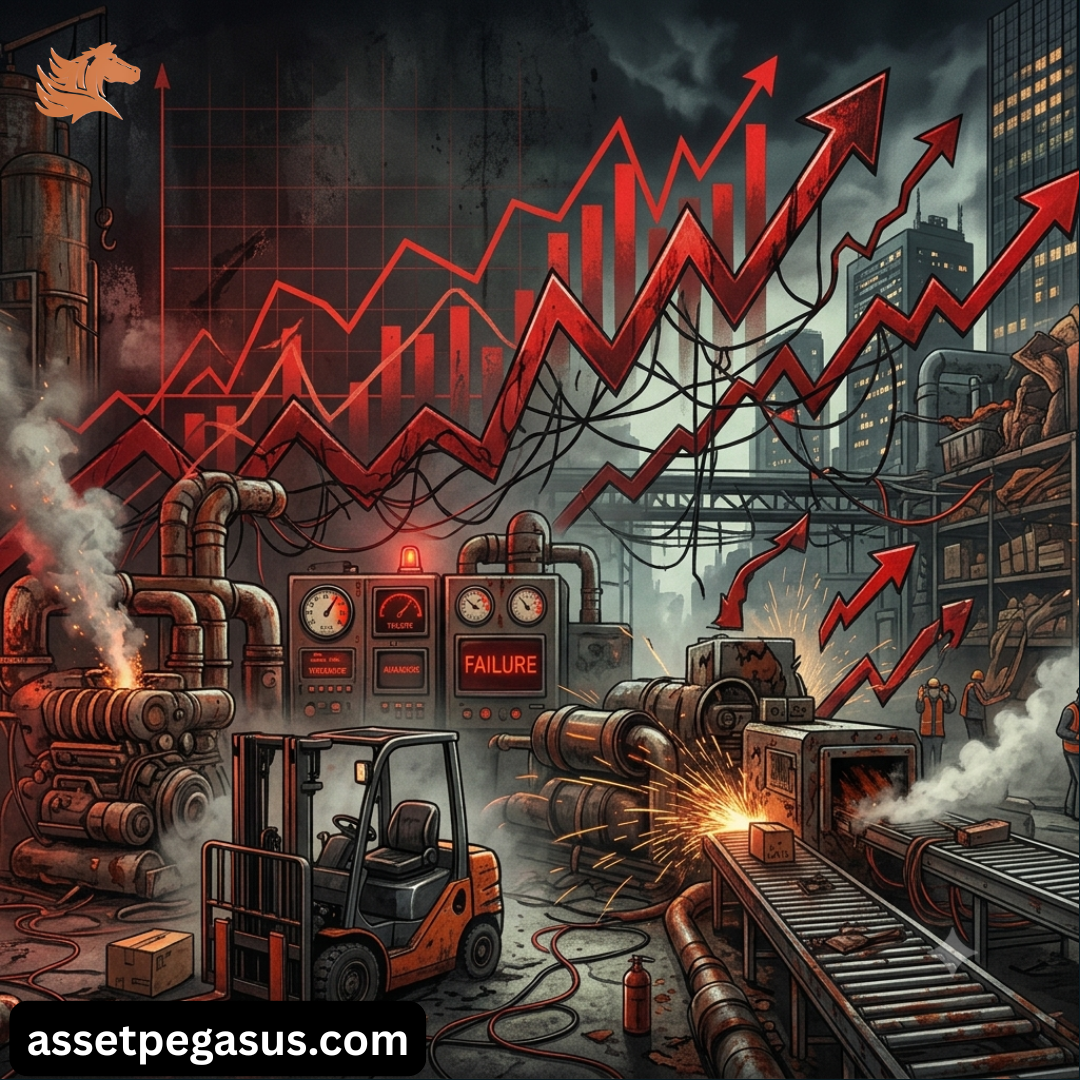
1. Zombie Software Subscriptions
SaaS sprawl is one of the fastest-growing cost centers in modern businesses. Licenses get purchased for a project, a new hire, or a trial — and then nobody cancels them when the need disappears. Multiply that across dozens of tools and hundreds of seats, and companies routinely find they’re paying for software nobody has opened in months.
2. Reactive Instead of Preventive Maintenance
When there’s no system tracking service intervals, maintenance only happens after something breaks. Reactive repairs cost significantly more than scheduled maintenance — emergency labor, expedited parts, and unplanned downtime all carry a premium. Preventive maintenance, by contrast, is predictable and budgetable.
3. Premature Asset Replacement
Without lifecycle data, it’s hard to know whether a piece of equipment still has useful life left or should be retired. Companies often replace assets too early out of caution, or run them too long and absorb rising repair costs — both are expensive versions of the same blind spot.
4. Duplicate Purchases
If nobody can quickly confirm whether a spare part, tool, or software seat already exists somewhere in the organization, the default answer becomes “just buy another one.” Multiply that across departments and locations and duplicate spending adds up fast.
5. Insurance and Warranty Gaps
Assets that fall out of warranty or insurance coverage without anyone noticing become full-cost liabilities the moment something goes wrong. A tracked warranty expiration is a budget decision. An untracked one is a surprise invoice.
6. Compliance Penalties
For regulated industries — healthcare, education, manufacturing — untracked assets can mean audit failures, fines, or lost certifications. Compliance costs are rarely planned for, which makes them some of the most damaging costs on this list.
What This Looks Like in Real Numbers
None of these leaks are dramatic on their own. A forgotten $30/month subscription. A $2,000 emergency repair that preventive maintenance would have avoided. A duplicate hardware purchase because the original couldn’t be located in time.
The Fix Isn’t More Spending — It’s More Visibility
The instinct when costs are rising is often to cut budgets across the board. But if the real problem is that nobody can see what’s already being paid for, cutting blindly just creates new gaps. The actual fix is visibility: one system that shows every hardware asset, every software license, every maintenance schedule, and every renewal date in one place.
That’s the gap AssetPegasus is built to close. Instead of tracking machinery in one spreadsheet, software licenses in another, and warranty dates in someone’s inbox, AssetPegasus brings physical and digital assets into a single dashboard — with proactive alerts before a license renews, a warranty lapses, or a maintenance date is missed.
Organizations using AssetPegasus typically cut IT and operational overhead by up to 40%, simply by finally being able to see what they own, where it is, and what it’s costing them.
Conclusion
Poor asset management doesn’t announce itself. It shows up months later as a budget you can’t fully explain. The businesses that keep operating costs under control aren’t necessarily spending less — they just know exactly what they’re spending on, and why.
If your organization is managing assets across spreadsheets, shared drives, and institutional memory, it’s worth asking a simple question: if we audited every asset today, would the numbers match what we’re actually paying for?
Ready to find out where your budget is leaking? Start a 7-day free trial of AssetPegasus — no credit card required — and get a clear, centralized view of every hardware, software, and equipment asset your organization owns.
❓FAQ: Asset Management and Operating Costs
📜
Manage all types of Assets.
- Preventative Maintenance for Critical Healthcare Equipment: Avoiding ICU Downtime
- Multi-Plant Equipment Management: End the Chaos
- Medical Equipment Lifecycle Management: A HIPAA-Compliant Guide to Preventing Lost Assets
- How Poor Asset Management Increases Operating Costs
- How Businesses Lose Insurance Claims Due to Missing Asset Records