
What’s covered
- Why does poor maintenance shorten server life?
- Software Bloat & Firmware Fragility
- The “Emergency-Only” Trap
- How Socialfly ITAM Protects Your Hardware ROI
Poor maintenance shortens server lifespans – The Hidden Cost of IT Neglect
Does your IT team treat server maintenance as a “when we have time” task or a “scheduled priority”? In the world of high-stakes asset management, that distinction determines whether your hardware lasts three years or seven.
For modern enterprises, a server isn’t just a box; it’s the heartbeat of the digital ecosystem. Yet, poor maintenance scheduling remains the #1 silent killer of data center longevity. Below, we deep dive into the mechanics of hardware degradation and how the Socialfly IT Asset Management (ITAM) system reverses this trend.
1. The Quick Answer: Why does poor maintenance shorten server life?
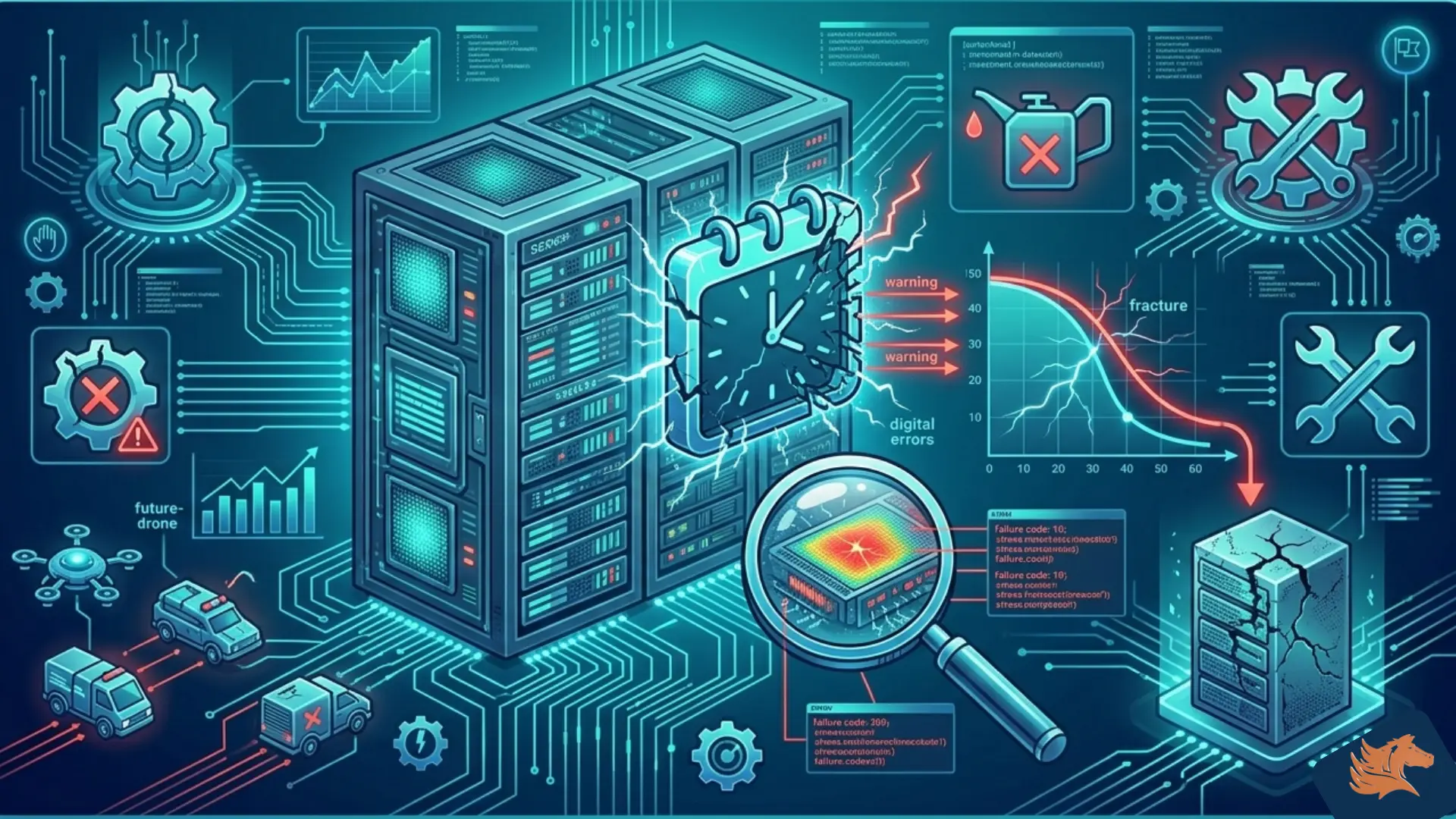
Poor maintenance scheduling leads to thermal stress, dust accumulation, and “vibration fatigue.” When servers run at sub-optimal conditions without regular intervention, internal components like capacitors and fans work 20-30% harder, leading to premature “burn-out.” Automated scheduling through tools like Socialfly can extend hardware lifespans by up to 40% by ensuring proactive care.
The Physical Toll: Heat, Dust, and Hardware Stress
Servers are designed to run 24/7, but they aren’t invincible. Poorly scheduled maintenance usually results in two physical killers:
- Thermal Throttling: Without regular cleaning and thermal paste inspection, CPU temperatures creep upward. Constant high heat causes “electromigration”— a process where atoms in the processor’s circuitry literally shift, leading to permanent hardware failure.
- The “Blanket” Effect: Dust acts as an insulator. If fans aren’t checked for RPM efficiency, heat stays trapped. A server running just 10 degrees hotter than its threshold can see its lifespan cut in half.
2. Software Bloat & Firmware Fragility
Maintenance isn’t just about compressed air; it’s about the digital layers.
- Firmware Mismatch: Outdated firmware can cause hardware to mismanage power consumption.
- Disk Fragmentation & Log Bloat: While modern SSDs handle data differently, poorly managed software assets can lead to excessive “write cycles,” wearing out the storage media years before its rated capacity.
3. The “Emergency-Only” Trap
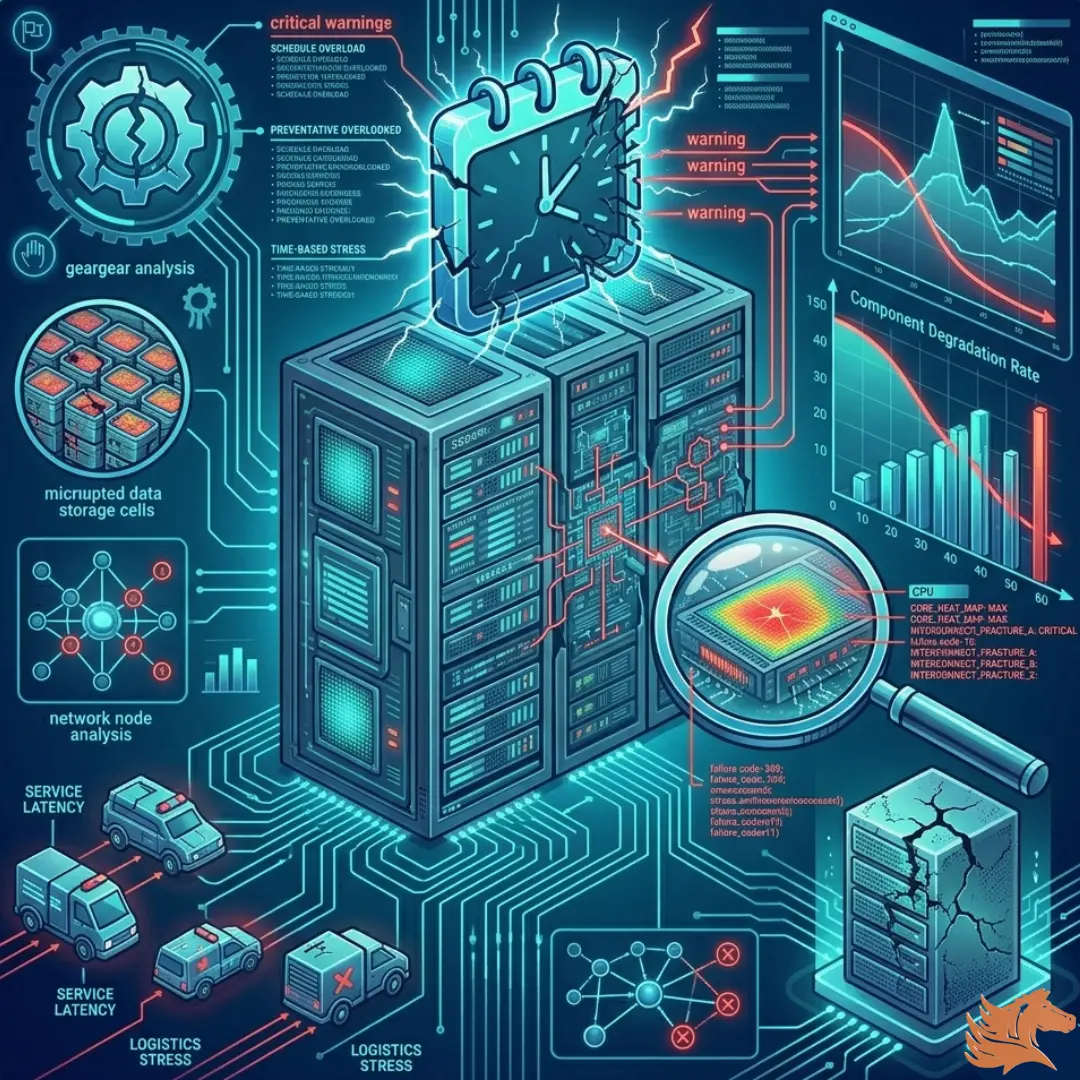
Many businesses operate on a Reactive Maintenance model. They only look at the server when it fails.
- The Problem: Reactive repairs often involve “hard restarts” or emergency part swaps that cause electrical surges and mechanical stress to surrounding components.
- The Socialfly Solution: By using Automated Maintenance Alerts, you shift to a Preventative model. Socialfly tracks the “Maintenance History” and “Warranty Details” of every device, ensuring you never miss a scheduled check-up.
4. How Socialfly ITAM Protects Your Hardware ROI
Our asset management system isn’t just a database; it’s a lifecycle protector. Here’s how Socialfly optimizes server health:
- Lifecycle Visualization: Track every stage from procurement to disposal. Know exactly where a server is in its “health curve.”
- Proactive Maintenance Alerts: Receive automated notifications for firmware updates, physical cleaning, and warranty renewals.
- Real-Time Insights: Scale your reporting to see which hardware models are failing early, allowing you to make “Smarter IT Investment Decisions.”
- Integrated Finance: Link maintenance costs to your budget to see the direct ROI of keeping hardware longer.
Expert Insight: The Financial Impact
According to industry benchmarks, replacing a mid-range server prematurely costs an average of $5,000–$15,000 when you factor in procurement, configuration, and downtime. By utilizing Socialfly’s maintenance scheduling, companies typically defer these capital expenditures (CapEx) by 18 to 24 months.
FAQ
How often should a server undergo physical maintenance ?
For standard office environments, a deep clean and hardware diagnostic should occur every 6 months. In high-density data centers, quarterly checks are recommended.
Can software asset management affect hardware lifespan ?
Yes. Optimized software reduces CPU load and power consumption, which keeps the hardware running cooler and significantly extends its operational life.
What is the best way to track server maintenance ?
Using a centralized ITAM like Socialfly is the most effective method. It removes the human error associated with spreadsheets and ensures every asset has a documented maintenance history.
Conclusion: Stop Guessing, Start Scheduling
The lifespan of your servers is in your hands. Poor scheduling isn’t just a technical oversight; it’s a financial drain. With AssetPegasus, you get the “Instant Asset Insights” needed to keep your hardware running cooler, faster, and longer.
📜
🗓️
- Preventative Maintenance for Critical Healthcare Equipment: Avoiding ICU Downtime
- Multi-Plant Equipment Management: End the Chaos
- Medical Equipment Lifecycle Management: A HIPAA-Compliant Guide to Preventing Lost Assets
- How Poor Asset Management Increases Operating Costs
- How Businesses Lose Insurance Claims Due to Missing Asset Records