
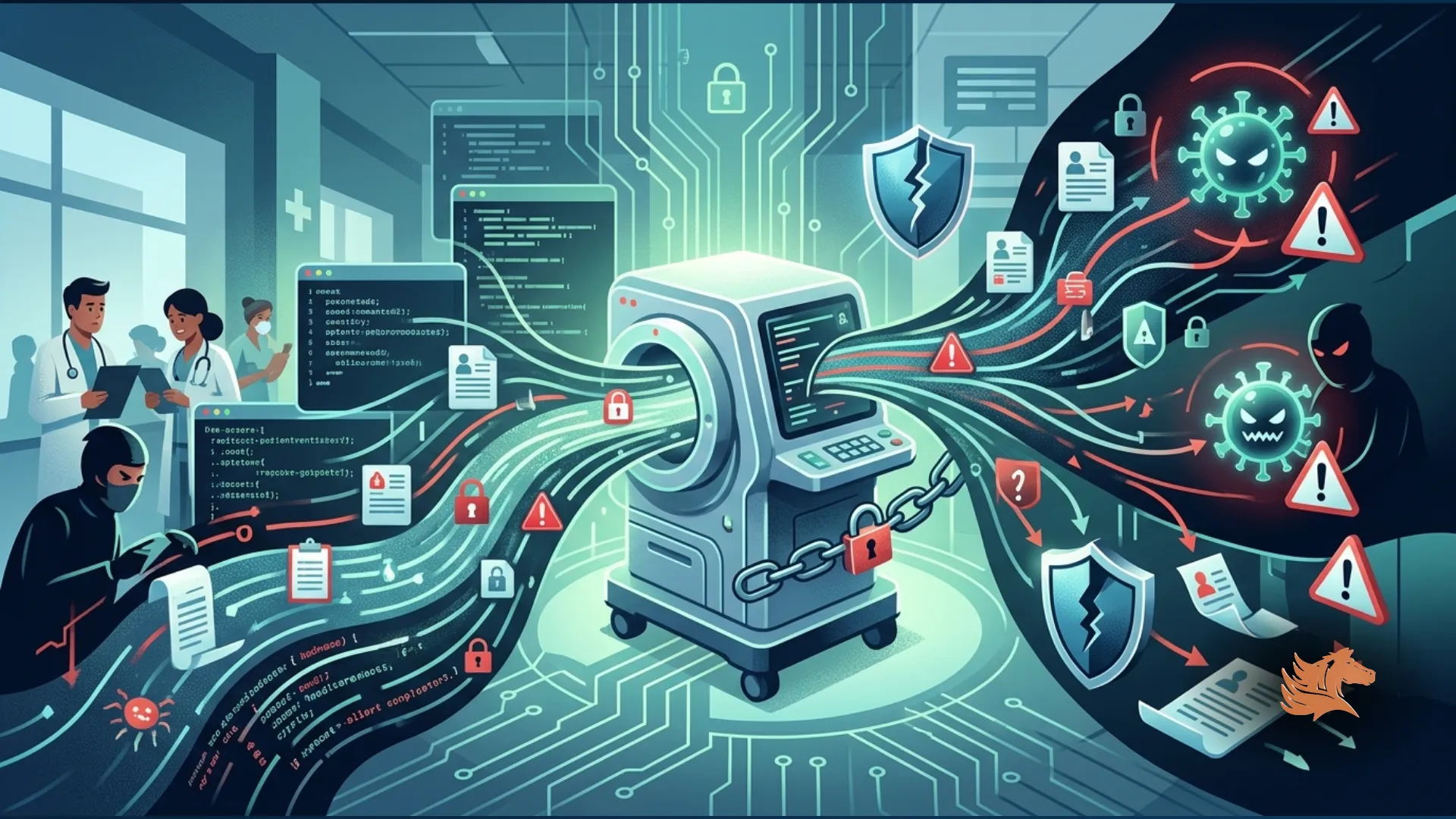
How Lost Medical Equipment Puts HIPAA Compliance at Risk (and How to Prevent It)
A missing infusion pump isn’t just a $3,000 line item on next quarter’s budget. If that device stored, transmitted, or ever connected to a system holding patient data, its disappearance can trigger a HIPAA breach investigation — complete with mandatory reporting, potential fines, and a dent in patient trust that no amount of new equipment can buy back.
Most clinics and hospitals treat “lost equipment” as an operations problem. It’s actually a compliance problem wearing an operations costume — and the two teams that should be talking to each other (biomedical/facilities and compliance/privacy) often aren’t.
This guide breaks down exactly where medical device lifecycles intersect with HIPAA, why lost equipment is one of the most under-reported breach risks in healthcare, and what a modern tracking system needs to do to close the gap.
Why “Lost Equipment” Is a HIPAA Issue, Not Just an Inventory Issue
HIPAA’s Security Rule doesn’t only apply to servers and laptops. It applies to any device that creates, receives, maintains, or transmits electronic protected health information (ePHI) — a category that now includes a huge share of modern clinical equipment:
- Infusion pumps with networked dosage logs
- Portable ultrasound and imaging devices with local patient scan storage
- Vital signs monitors that sync to the EHR
- Mobile workstations (WOWs/COWs) with cached login sessions
- Handheld scanners and barcode readers used at bedside
- Tablets used for patient intake or telehealth
When one of these goes missing, the question isn’t “how much does a replacement cost?” It’s “what data left the building with it, and can we prove what happened?“
Under the HIPAA Breach Notification Rule, a lost device holding unsecured ePHI is presumed to be a breach unless you can demonstrate a low probability of compromise — and that determination requires a documented risk assessment covering the device’s data, encryption status, and last-known custody. Without lifecycle tracking, most facilities simply can’t produce that evidence fast enough within the required timelines.
The Medical Device Lifecycle, Stage by Stage
Equipment doesn’t go missing randomly — it goes missing at predictable weak points in its lifecycle. Understanding these stages is the first step to closing them.
1. Procurement & Onboarding
The device enters the facility. This is the only point where you have full information: serial number, model, data capabilities, and whether it touches ePHI at all. Skip proper tagging here, and everything downstream becomes guesswork.
2. Deployment & In Use Tracking
The device moves between departments, floors, and sometimes facilities. This is where most tracking breaks down — spreadsheets and manual logs can’t keep pace with real-time movement across a 24/7 clinical environment.
3. Maintenance & Calibration
Devices leave for servicing and don’t always come back to the same unit or department. Maintenance windows are a common blind spot where custody records go stale.
4. Loan, Transfer & Multi Site Movement
Health systems with multiple clinics or satellite locations routinely share equipment. Each transfer is a custody handoff — and each handoff without a digital record is a potential gap in your chain of accountability.
5. Decommissioning & Disposal
The stage most likely to create a genuine HIPAA violation. Devices with local storage must be data-wiped and documented before disposal or resale. “We think IT handled that” is not an acceptable answer during an audit.
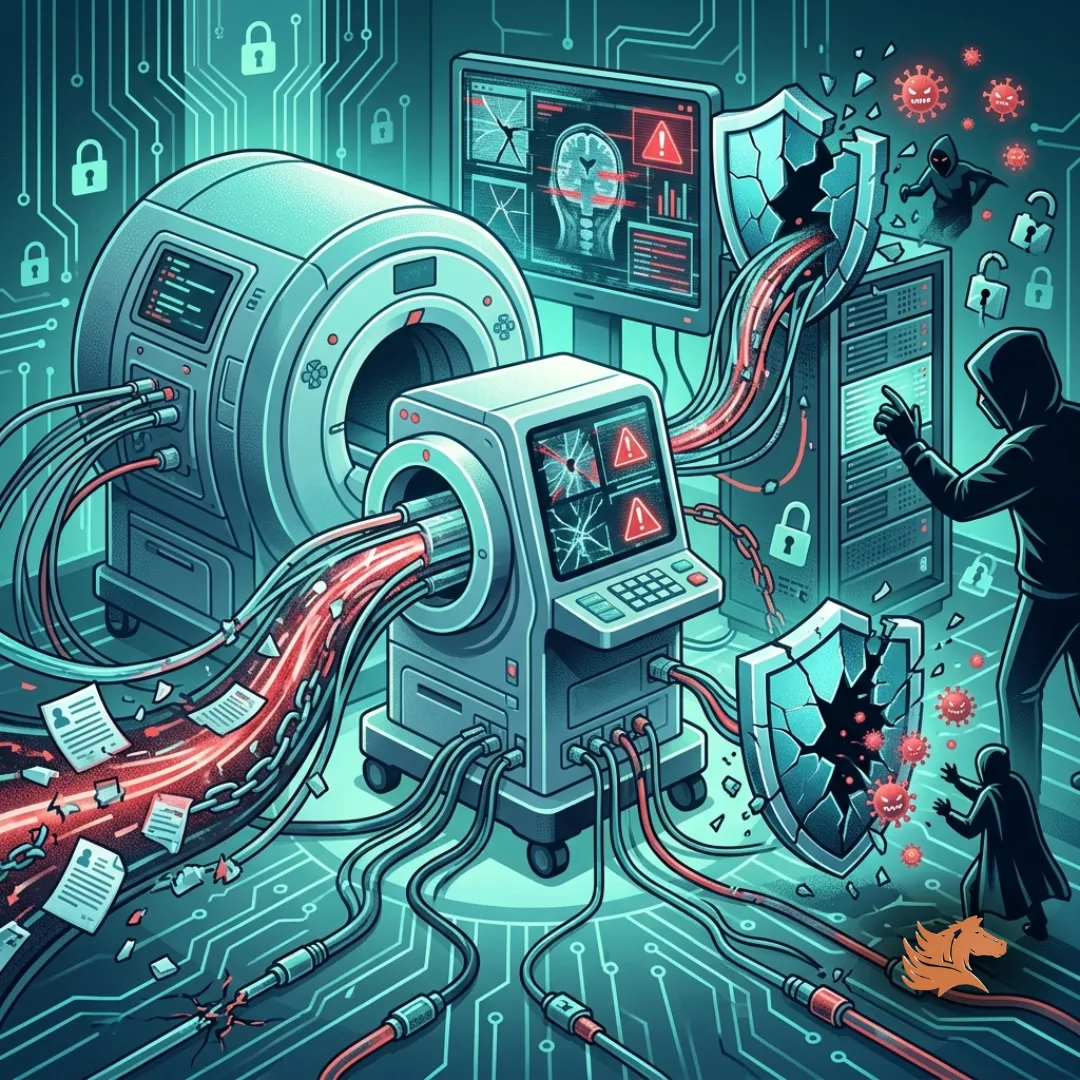
What Actually Happens When Equipment Goes Missing
Here’s the real cost stack most facilities underestimate:
- Direct replacement cost — often 2-5x higher when purchased urgently vs. planned procurement
- Breach investigation cost — forensic review, legal counsel, and reporting obligations if ePHI exposure can’t be ruled out
- Regulatory exposure — HIPAA civil penalties currently range from roughly $141 to over $2.1 million per violation category, per incident, depending on culpability tier
- Care delays — clinical staff spend documented hours per week simply hunting for equipment during shifts
- Audit failure risk — Joint Commission and CMS surveyors increasingly ask for device inventory and custody records as part of standard reviews
The pattern across nearly every reported case is the same: it wasn’t the loss itself that escalated the incident — it was the inability to quickly answer “where was this device, who had it, and was patient data on it?”
What a HIPAA-Ready Equipment Tracking System Needs to Do
Not all asset tracking is compliance-grade. To actually reduce HIPAA exposure, your system needs to go beyond “know where the stuff is” and into “prove what happened.”
1. Full Chain of Custody Logging Every handoff — department to department, technician to technician, facility to facility — should be timestamped and attributable to a person, not just a location.
2. Real Time Location Visibility a unassign device is flagged in hours, not during the next quarterly audit.
3. Data-Sensitivity Tagging Not every asset carries ePHI risk. A tracking system should flag which devices store or transmit patient data so lost-device response can be prioritized correctly.
4. Automated Alerts on Anomalies Devices that haven’t checked in, left a geofenced zone, or missed a scheduled maintenance cycle should trigger alerts automatically — not rely on someone noticing during rounds.
5. Audit Ready Reporting One-click reports showing device history, custody trail, and maintenance/decommission status — the exact documentation compliance teams need when regulators or auditors come asking.
6. Decommissioning Workflows A built-in checklist tying data-wipe confirmation to the disposal record, so “did we wipe it?” never becomes a guess.
A Practical Checklist for Clinics & Hospitals
Use this as a gap-check against your current process:
- Every device that touches ePHI is tagged and logged at intake
- Custody transfers are recorded digitally, not verbally or on paper
- Real-time location tracking exists for high-value and high-data-risk equipment
- Maintenance/loaner windows are tracked with expected return dates and alerts
- A documented, tested response plan exists for lost-device incidents
- Decommissioning includes a mandatory, logged data-wipe step
- Reports can be generated on demand for compliance or audit requests
- Staff are trained on reporting a missing device within a defined time window (not “whenever someone notices”)
If more than two or three of these are unchecked, your facility likely has an active — if invisible — compliance gap right now.
Medical device lifecycle management and HIPAA compliance aren’t two separate initiatives — they’re the same problem viewed from different departments. Facilities that treat equipment tracking purely as a cost-control exercise are missing the bigger exposure sitting underneath it: every untracked device is an unanswered question waiting for an auditor to ask it.
Closing that gap doesn’t require a bigger team. It requires a system that logs custody automatically, flags data-sensitive devices, and produces documentation before you need it — not after a breach forces you to reconstruct it from memory.
FAQ
AssetPegasus is a cloud-based, HIPAA and GDPR compliant asset tracking platform built for healthcare teams. It gives clinics and hospitals real-time visibility into every device — from infusion pumps to diagnostic equipment — with automated maintenance alerts and audit-ready reports, all from one dashboard. Start with a 7-day free trial, no credit card required.
📜